





Choosing a baby mattress can feel surprisingly technical. Once you start comparing options, you are quickly met with terms such as coconut coir, pocket springs, nursery foam and dual-core construction.
What do these fillings actually do? And is one better than the other?
Coconut coir and pocket springs can both form part of a supportive baby mattress, but they bring different qualities to its construction. Coir provides natural structure and a firm, responsive feel, while pocket springs adapt individually to pressure and movement.
Understanding those differences makes it much easier to decide what will work for your little one, both now and as they grow.

Why Mattress Fillings Matter for Your Baby
A mattress filling is more than the material hidden beneath the cover. It influences how the mattress feels, how it responds to your child’s weight and how well air can move through its structure.
For babies, the finished sleep surface must always be firm, flat, supportive and in good condition. It should also fit the cot, crib or Moses basket correctly, without unsafe gaps around the edges.
No single filling makes a mattress automatically suitable for a baby. The complete construction, firmness, fit and relevant safety testing all matter.
Our guide to choosing the right mattress explains the different fillings available across the Tiny Dreamer™ range and what each one brings to your baby’s sleep space.
What Is Coconut Coir?
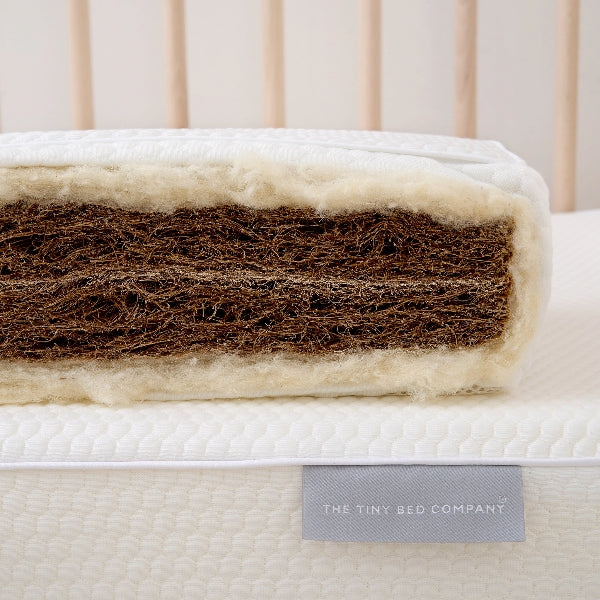
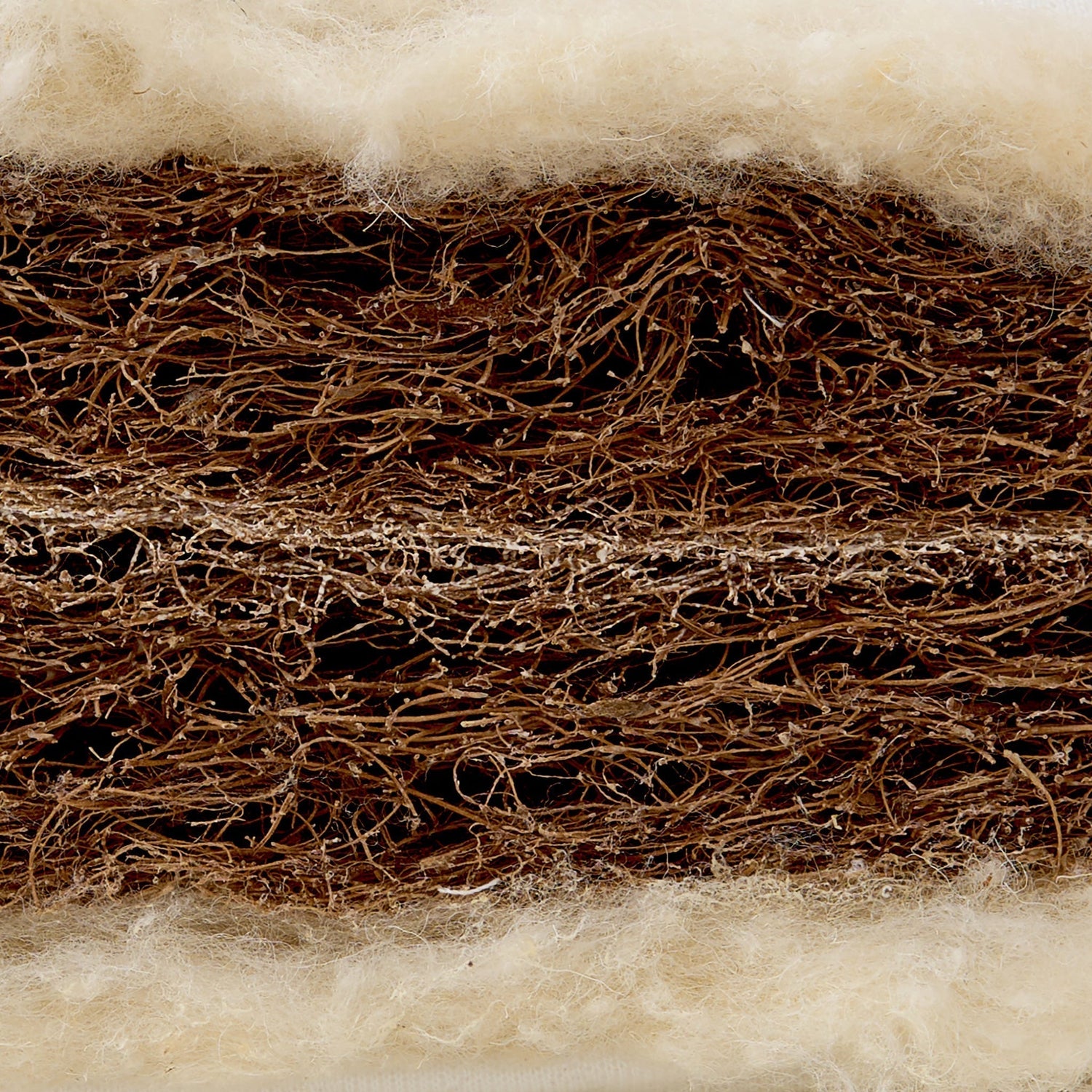
Coconut coir is made from the tough, fibrous husk that surrounds a coconut. The fibres are formed into a springy, supportive layer, often with natural latex used to bind them together.
It has been used in mattresses for many years because it offers structure without feeling like a rigid board.
Firm and Responsive Support
Coir has a naturally springy quality. When pressure is applied, the fibres provide gentle pushback rather than allowing the body to sink deeply into the mattress.
This makes it particularly useful when creating the firm, stable surface needed for infant sleep. Firm does not mean hard or uncomfortable. It means the mattress remains even and supportive, without deep dips or overly soft areas.
You can read more about why this matters in our guide to baby mattress firmness.
An Open, Breathable Structure
The spaces between coconut fibres allow air to move through the coir layer. This open structure can help prevent the mattress core from feeling dense or enclosed.
It is worth remembering that the breathability of any mattress depends on the whole design, including its comfort layers and cover. Coir creates a naturally ventilated core, but every layer needs to work together.
A Naturally Derived Material
Coir is created from coconut husks, a by-product of coconut production. It is often chosen by parents looking for a mattress made with carefully selected natural fillings.
Our guide to natural baby mattresses looks more closely at the way coir can be combined with materials such as wool to create a breathable and supportive mattress.

What Is a Pocket Sprung Mattress?
A pocket sprung mattress contains a series of individual springs, with each spring enclosed inside its own fabric pocket.
Unlike an open-coil unit, where the springs are connected and move together, pocket springs can react independently. Pressure in one area does not have to make the entire spring unit move in the same way.
More Targeted Support
Because each spring responds separately, a pocket sprung mattress can adapt more closely to the pressure placed on different areas of the surface.
This helps distribute weight across the mattress while providing personalised, full-body support. It can be especially useful as babies become heavier, more mobile and increasingly wriggly during toddlerhood.
Gentle Pressure Relief
Pocket springs compress where pressure is applied and remain more stable elsewhere. This creates a gently contouring feel without relying on a deeply moulding or overly soft surface.
The surrounding layers remain important, particularly for babies. A pocket sprung baby mattress must still provide the firmness and flatness required for safer sleep.
Low Motion Transfer
Independent springs also help limit movement travelling across the mattress. When your child changes position, the springs respond locally rather than shifting the whole surface.
For active toddlers who seem to explore every corner of their cot bed during the night, this responsive construction can provide consistent support in a wide variety of sleeping positions.
Coconut Coir vs Pocket Sprung: What Is the Difference?
The simplest way to think about the two is this:
- Coconut coir provides natural structure: It creates a firm, springy and ventilated support layer.
- Pocket springs provide individual response: They adjust separately to pressure, movement and changes in weight.
- Coir has a naturally consistent feel: Its fibres provide steady pushback across the surface.
- Pocket springs feel more adaptive: Different areas of the spring unit can respond in slightly different ways.
- Both can be durable: The finished lifespan depends on the quality of every layer and how well the mattress is cared for.
Neither filling is universally better. They simply perform different roles.
Which Mattress Filling Is Best for a Newborn?
For a newborn, the most important consideration is not whether the mattress contains coir or springs. It is whether the finished surface is firm, flat, supportive and suitable for use from birth.
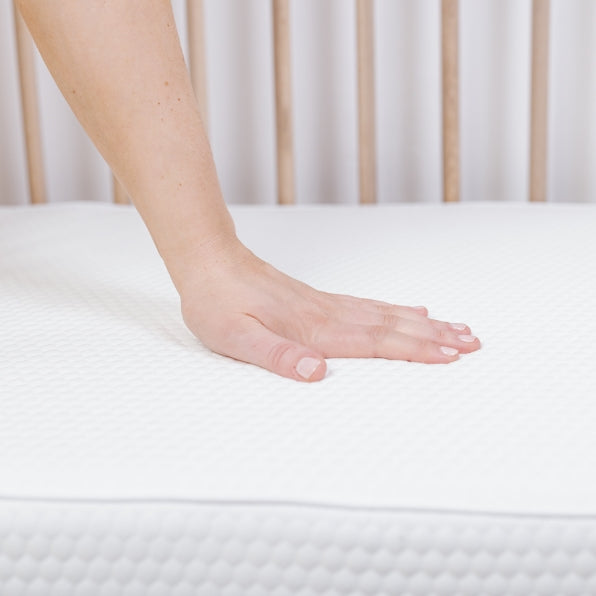
The mattress should spring back when pressed, remain level across the entire sleep surface and fit its intended cot or crib correctly.
Coconut coir is often used to create this stable, responsive support. Pocket springs can also be suitable for babies when they are combined with appropriately firm nursery layers and the mattress has been designed and tested for infant use.
Always follow the manufacturer’s instructions about which side of a dual-sided mattress should be used at each stage.
Which Filling Is Better for a Growing Toddler?
As children grow, they become heavier and tend to move into a much wider range of sleeping positions. The individual response of pocket springs can become particularly valuable during this stage.
The springs adjust to pressure across different areas of the mattress, supporting a growing child whether they are lying neatly in the middle or curled up sideways near the edge.
That does not mean a coir mattress stops being suitable. A well-made natural mattress can continue to provide excellent structure and support. The choice depends on the feel, construction and intended age range of the finished mattress.
Why Choose One When You Can Combine Both?
Coconut coir and pocket springs do not have to be competing choices. In fact, they can complement one another beautifully.
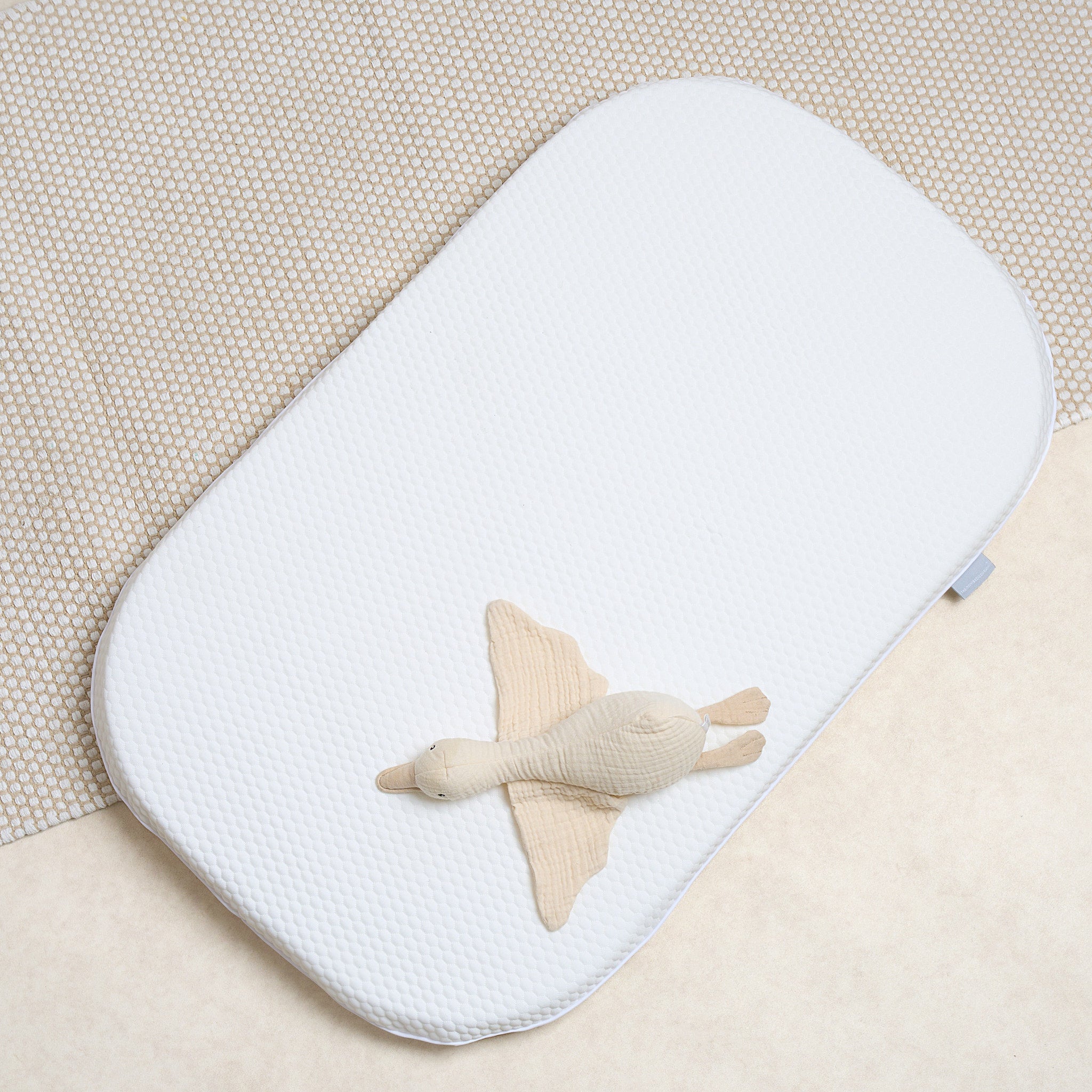
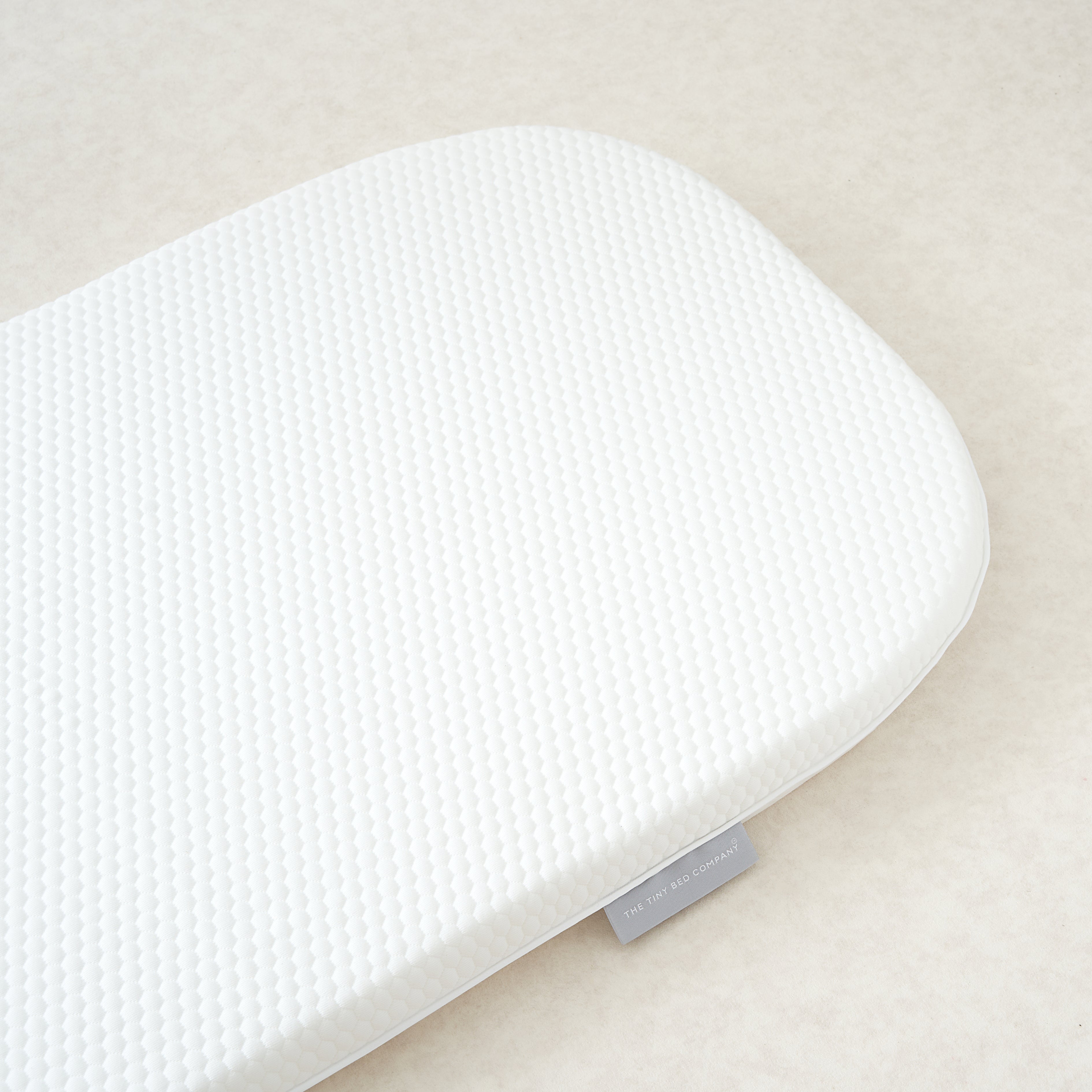
Our Tiny Dreamer Deluxe™ mattresses combine a layer of natural coconut coir with individually wrapped luxury pocket springs and premium nursery foam.
The pocket springs provide responsive, full-body support, while the coir adds a naturally springy and breathable comfort layer. The result is a dual-core mattress designed to support your child through different stages of development.
The mattress is also dual-sided. Its slightly firmer bottom side is designed for newborns and younger babies, while the coir-topped side offers a plusher feel for older babies and toddlers. This allows the mattress to adapt as your child grows, without asking you to choose between natural structure and responsive spring support.

What Else Should You Look for in a Baby Mattress?
The filling is important, but it should never be considered in isolation. Before choosing a mattress, check:
- That it is suitable for your child’s age and intended sleep space
- That the surface is firm, flat and supportive
- That it fits without unsafe gaps
- Which safety and flammability standards it complies with
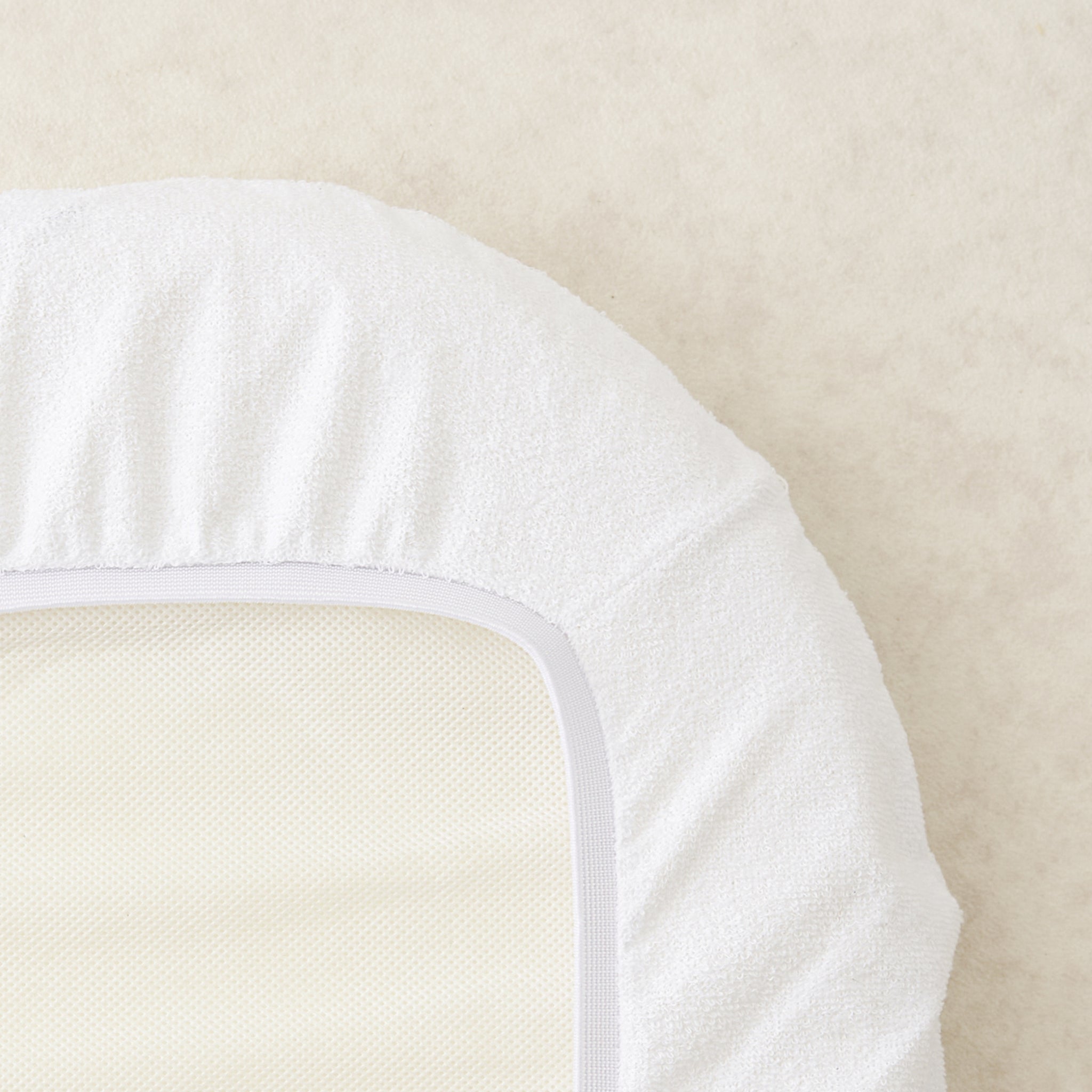
- Whether the cover can be removed and washed
- Whether the materials and internal construction are clearly explained
- Which side should be used for a newborn, where applicable
- How the mattress should be rotated, aired and cared for
A good manufacturer should make it easy to understand what is inside the mattress and why every layer is there.
Final Thoughts
Coconut coir and pocket springs both have something valuable to offer. Coir brings natural firmness, structure and airflow, while pocket springs provide individual response and support that can adapt as your child grows.
For families who would rather not choose between the two, a thoughtfully constructed hybrid mattress offers a lovely balance of both.
Explore our full collection of cot and cot bed mattresses, or read more about the way we select natural fillings in The Perfect Filling Combination for Your Baby’s Mattress.
Still unsure which filling or size is right for your little one? Contact our friendly team and we will be happy to help you create a safe, supportive and beautifully comfortable sleep space.